Is solar power right for your household?
Weighing up the potential benefits and cost-effectiveness for your home.
One-minute read:
Harnessing solar power at home can help reduce your power bill and reliance on the electricity grid, but it can also be a significant investment.
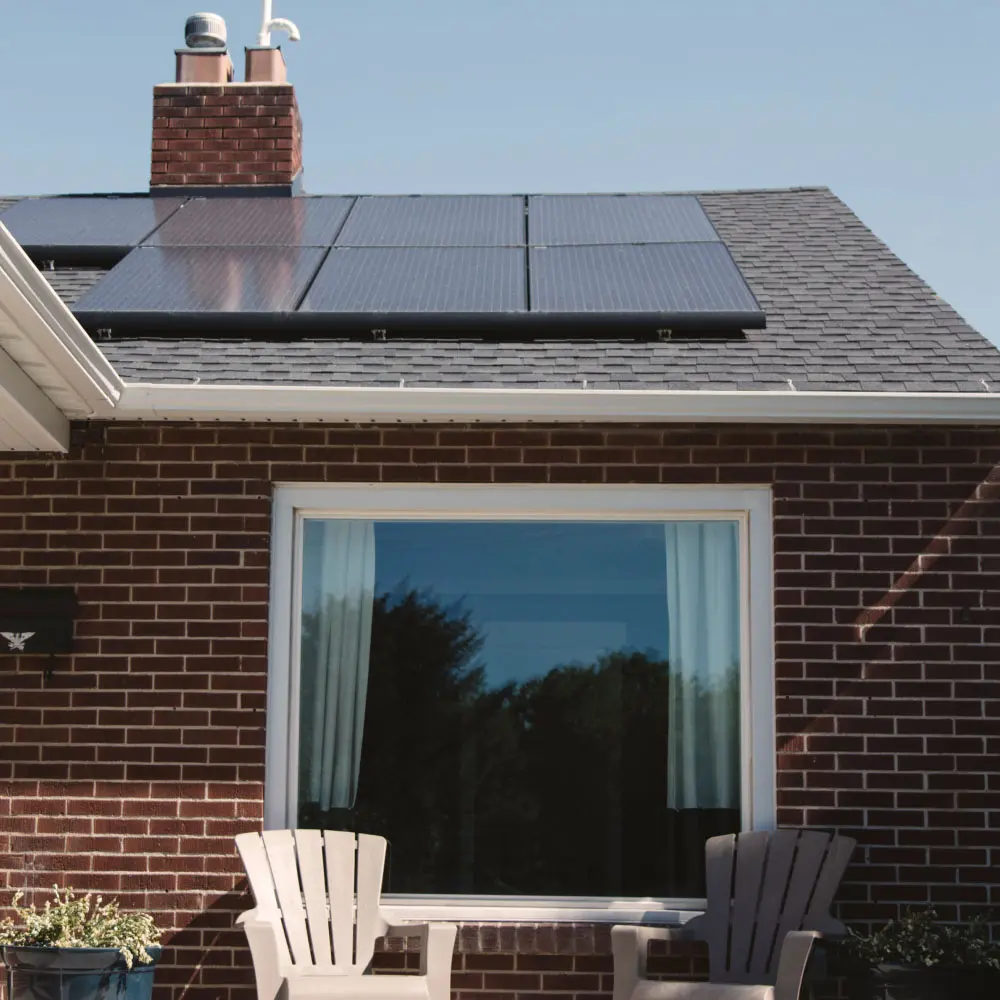
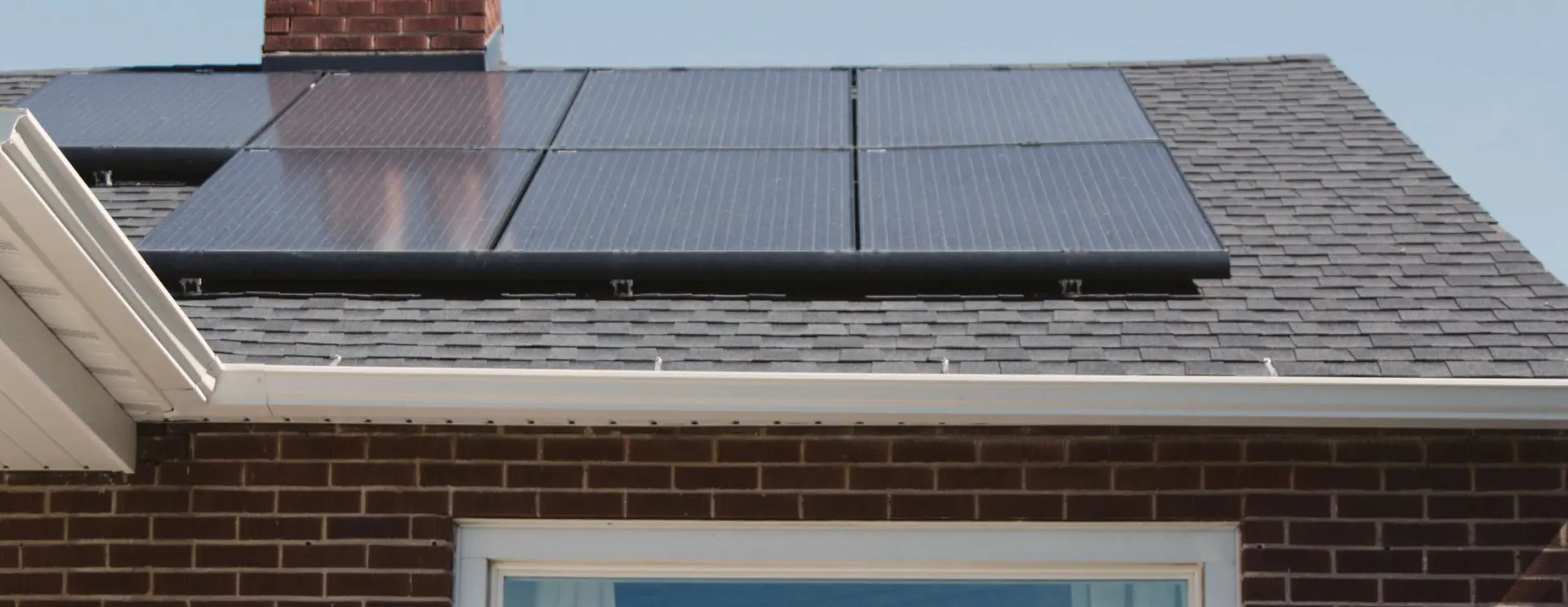
Installing rooftop panels lets you generate your own electricity. This can reduce the amount you buy from your power company and allow you to sell excess power back to the grid.
Solar may be seen as a long-term cost-saver. It can take several years to pay itself back, but many households enjoy 15 to 20 years of low-cost power.
Like any investment, solar needs careful consideration. Solar panels perform better in some areas and conditions. The angle and direction of your roof, its size, and the amount of sun your roof gets can all make a difference. It can also depend on the condition of your roof.
Check solar-friendly power plans. Different power companies and plans offer varying benefits for charges and buy-back rates.
Batteries and smart technology. These can help maximise the energy your panels produce by storing the power you’ve generated and using it when it suits you.
How does solar power work at home?
Rooftop solar panels convert sunlight into electricity through photovoltaic (PV) modules. That power can be:
- used instantly in your home, offsetting what you’d normally buy from the grid;
- sold back to the grid (if you have a buy-back or export agreement); or
- stored in a home battery for later use (if you have one), like overnight, peak times, or during outages.
If you’re considering a solar installation, green home loans offered by several banks let you finance solar and other energy-efficient upgrades at discounted rates, spreading the upfront cost over time.
What are the limitations of home solar?
- Upfront cost: Solar is an investment; typically several to tens of thousands of dollars, depending on size and whether you also invest in a battery.
- Weather, locations and seasons: Output changes across regions and seasons. For example, Southland winters generate far less electricity than Northland winters, and summer generates more electricity than winter.
- Orientation and shading: Roofs facing north or north-west perform best. Trees or nearby buildings can block the light from reaching the panels. Learn more here.External Link, opens in a new tab
- Usage mismatch: If most of your power use happens at night, you may export more than you use, slowing returns.
- Maintenance: For the best results, panels need cleaning at least once a year, and more often in some places. Inverters may need to be replaced after 10 to 15 years.
What to know about solar-friendly power plans
Electricity plans for solar homes vary widely. Before signing up, check:
- The export or buy-back rate: How much you’ll be paid for each kilowatt-hour sent to the grid.
- Whether the plan allows flexible import and export pricing: This ensures you aren’t penalised when generation is high.
- The balance between fixed and variable charges: Some offset good buy-back rates with higher daily fees.
- Whether battery owners can access time-of-use pricing: Batteries can reward those who used stored power during evening peak times.
- The fine print: Connection or exit fees, export caps, or rate changes that may affect returns.
- Do your research: Remember, finding the best system for your household requires independent research to find which options are in your best interests.

How can I get the most value from my solar power?
An energy efficient home, batteries and smart technology help you make the most of the energy your panels produce.
- Home energy efficiency: Good insulation, efficient heating, ventilation, and LED lighting make every kilowatt go further. Ensure these are in place before solar is installed.
- Battery storage: Store surplus power for evening use or during outages, improving both savings and resilience (though they can be a little expensive).
- Smart usage: Try running power-hungry appliances — like washing machines or EV chargers — during daylight hours.
- Energy monitoring: Most systems include apps that show generation and consumption, so you can adjust your habits.
- Plan ahead: If you expect to add an EV or expand your household, size your solar and battery system for future demand.
More information on solar
Still wondering whether solar is the right choice for your household? EECA has free resources that unpack some of the finer details,External Link, opens in a new tab including installation considerations and other financial considerations.
Standards New ZealandExternal Link, opens in a new tab: Check out this free guide that gives Kiwi homeowners a practical guide to choosing and using solar and batteries.
Breaking down home solar costs and savings | EECAExternal Link, opens in a new tab
Make the most of your home solar system | EECAExternal Link, opens in a new tab
Easy ways to save on your energy bill | EECAExternal Link, opens in a new tab
This article was last updated 21 August 2026
Read next

How time-of-use plans make a difference
Save money by shifting when you use electricity.
Keep reading

How to lower your energy use at home
Simple ways to cut electricity and save money.
Keep reading
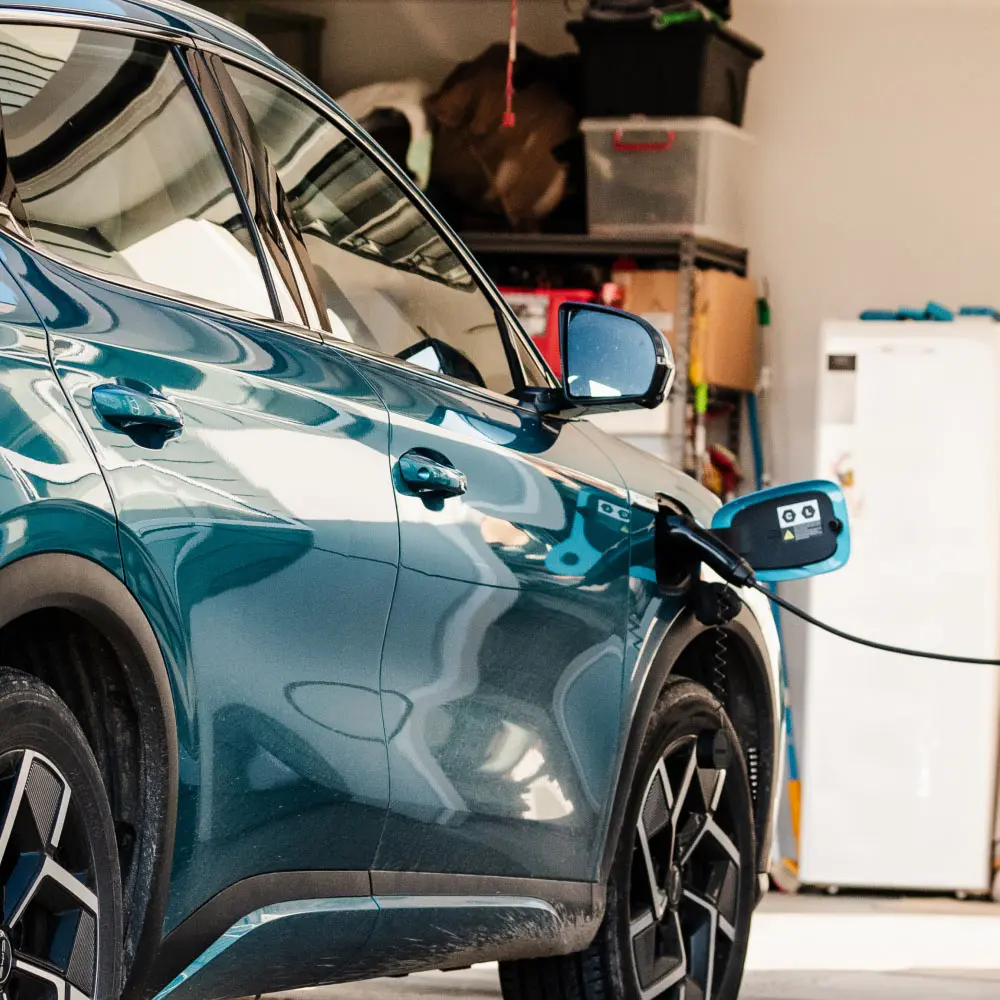
Energy use for EV owners
Understanding the best power plans for EV owners, and how to save when charging at home.
Keep reading