Energy use for EV owners
Understanding the best power plans for EV owners, and how to save when charging at home.
One-minute read:
Owning an electric vehicle (EV) often means using more power at home. With the right plan and setup, you can get the most out of your spend.
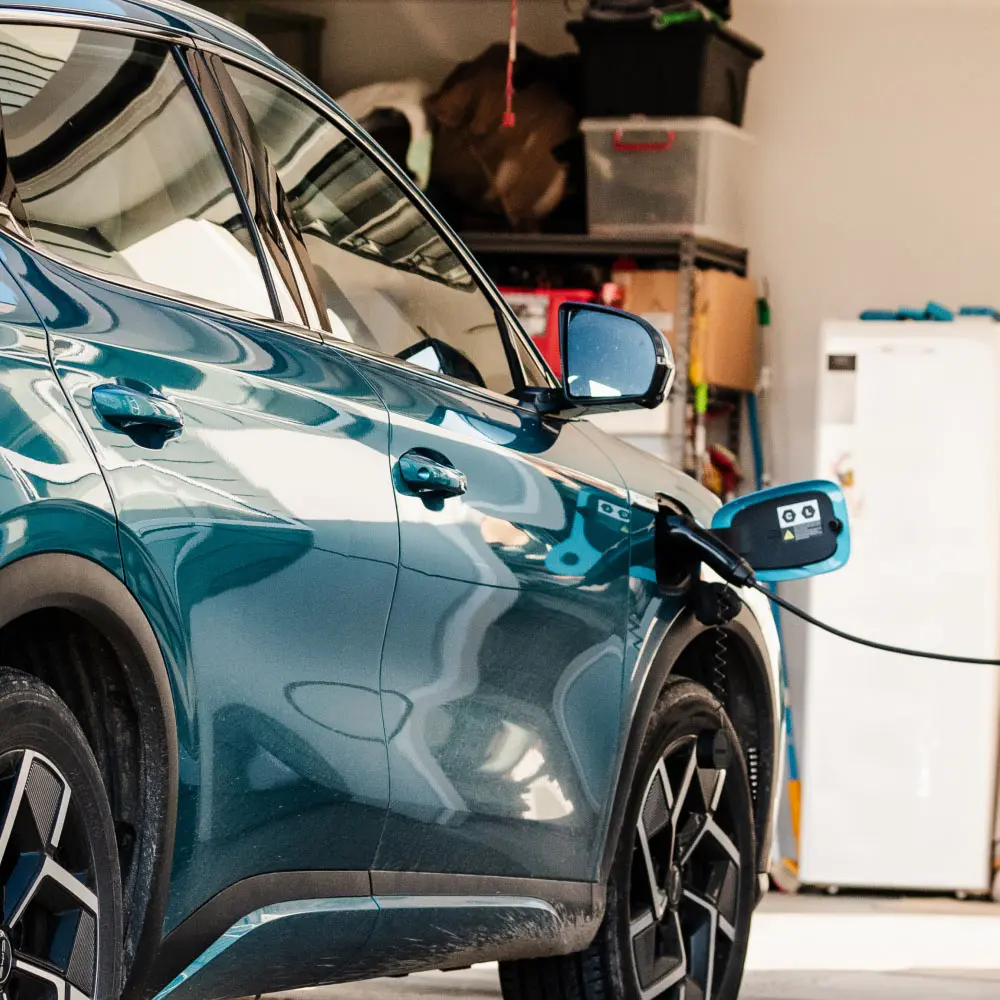
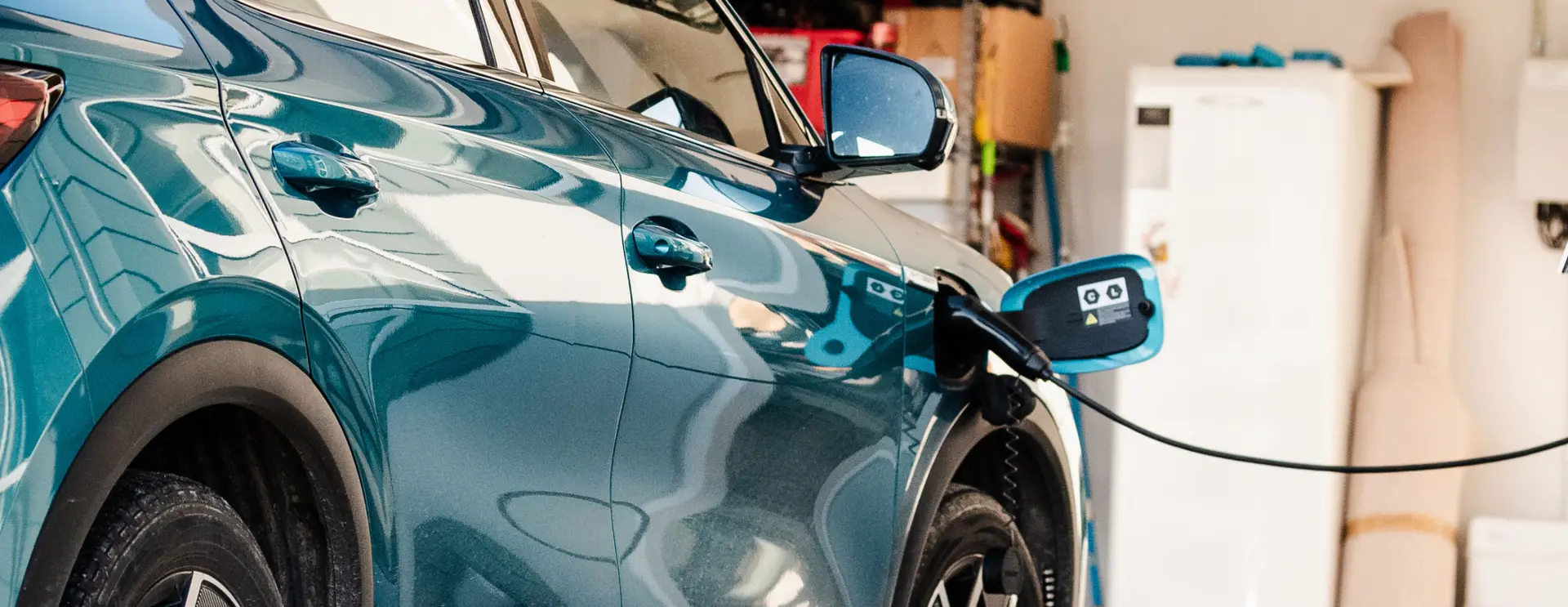
Charging at home is usually the cheapest option. The cost per kilometre is usually lower than a public charger, although some chargers are free to use.
Some power plans suit EVs better than others. Some plans offer lower rates for charging during off-peak hours, like night rates.
A dedicated wall charger delivers faster, safer charging. Smart features let you schedule charging for the cheapest hours.
Is it cheaper to charge at home or use public chargers?
Charging at home is almost always the cheapest option for EV owners in New Zealand.
- Home charging: When you charge using an EV-friendly plan, the cost per kilometre is typically much lower than using public fast chargers. Check the fine print because this assumes some amount of EV charging.
- Public charging: Fast chargers are convenient for road trips or top-ups, but they’re usually two to three times more expensive than charging at home.
- When it can vary: Your exact costs depend on your plan, how often you drive, and whether you charge during cheaper time periods or use solar power.
Which power plans work best for EV owners?
Not every power plan is the same. Some plans are more suited to people who can shift their energy use, and often people with EVs can do this. When comparing options, it's wise to consider:
- Cheaper night rates: Time-of-use or EV plans that have lower prices later in the evening, making it cheaper to charge while you sleep. This may mean daytime rates go up.
- EV-specific perks: Some plans offer charging credits, bonuses, or off-peak hours designed for EV drivers.
- Time-of-use plans: If your household is mostly out during the day, charging overnight on an off-peak or EV plan is usually cheaper than charging during the day, unless you have solar.
Remember, your EV is just one of many power-consuming devices in your home, so it's important to consider your overall usage when deciding.

What kind of EV charger options are there?
Most EV owners charge their EV at home, so it’s a good idea to know what options are out there. Here are the most common options:
- Portable plug-in charger: A portable charger that usually comes with your EV. They’re easy to use but slow and not designed to be the main way to charge at home.
- Wall-mounted charger: Wall-mounted chargers are faster, safer, and more efficient than portable cables. They need to be installed off the street by a qualified electrician.
- ‘Smart’ wall-mounted charger: Some chargers have ‘smart’ features that let you connect to an app or timer to schedule charging at off-peak times. It helps you make the most of lower rates or monitor energy use and charging history.
Remember, you must use a qualified electrician to install a wall charger; they’ll also check that your home’s wiring and switchboard can handle the extra load.
Extra support
Looking to understand more about the benefits of owning or charging an EV? You can find more answers to common questions at EECAExternal Link, opens in a new tab, New Zealand's Energy Efficiency and Conservation Authority.
This article was last updated 21 August 2026
Read next

How time-of-use plans make a difference
Save money by shifting when you use electricity.
Keep reading
Is solar power right for your household?
Weighing up the potential benefits and cost-effectiveness for your home.
Keep reading

How moving house can affect your power bill
Understanding how your power bill and usage can change when moving to a new home.
Keep reading